Bearing Belt Lubrication Device: Engineering Reliable Linear Motion Systems
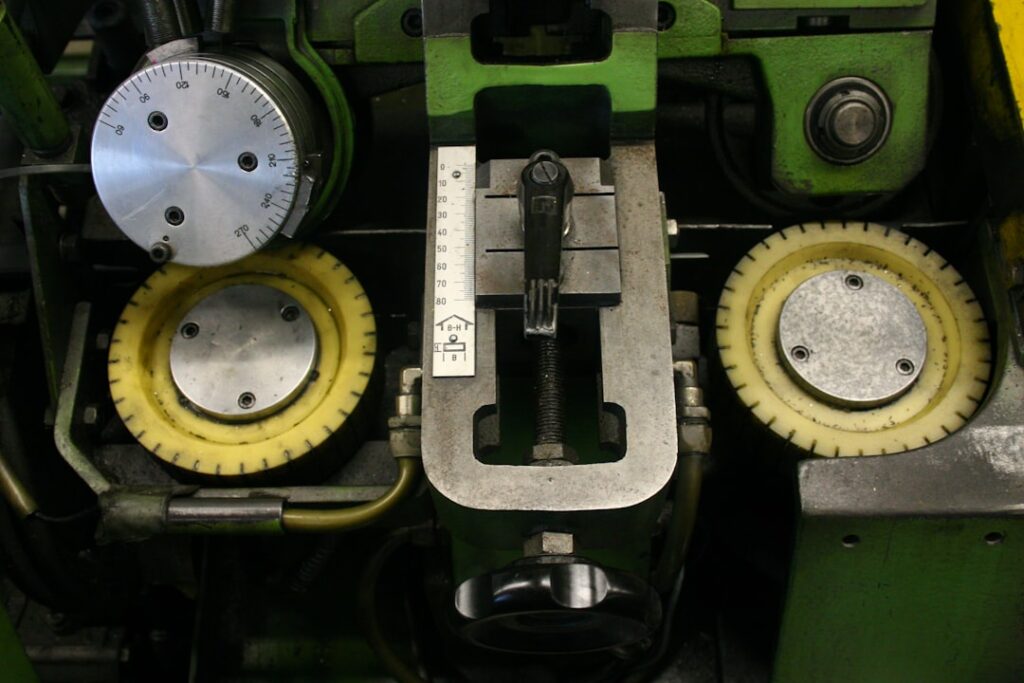
Linear motion systems are the backbone of automated manufacturing, packaging, semiconductor handling, and CNC machinery. Every ball bushing, guide rail, and sliding element depends on a stable lubricant film to reduce friction, dissipate heat, and protect precision surfaces from wear. Yet in high-cycle environments, manual greasing is inconsistent, contaminates the workspace, and often misses the small contact zones where damage begins. A Bearing Belt Lubrication Device addresses this by delivering a controlled, continuous supply of lubricant directly to the bearing belt or guide surface, turning intermittent maintenance into a passive or automatic process.
For design engineers and procurement managers, the challenge is not simply buying a lubricator; it is matching the lubrication method to the bearing architecture, duty cycle, and operating environment. This article serves as a practical bearing belt lubrication application guide, covering how these devices work, why they matter, how to choose the right unit, and how to keep it running over the machine’s life. We also reference several common linear bearing configurations so you can map the correct lubricator to your assembly.
What Is a Bearing Belt Lubrication Device and How Does It Work?
A Bearing Belt Lubrication Device is a compact assembly that stores lubricant and feeds it onto a porous belt, felt pad, or wiper element mounted adjacent to the linear bearing or guide rail. As the axis traverses back and forth, the belt drags a thin, uniform film of oil or grease across the bearing surface. In passive designs, capillary action and contact pressure regulate the flow. In an automatic belt lubrication device, a small pump or electromechanical dispenser meters lubricant at programmable intervals, compensating for high-speed cycles, long travel lengths, and elevated temperatures.
The key advantage is precision dosing. Unlike manual greasing, which can introduce excessive lubricant and attract dust, a properly set belt lubricator maintains the minimum film thickness required for elastohydrodynamic or boundary lubrication. The belt also acts as a gentle wiper, removing microscopic contaminants before they reach the ball track or sliding surface. For open-type linear bearings or long-stroke guide systems, this combination of lubrication and debris control is often the simplest way to extend maintenance intervals without adding costly centralized plumbing.
Why Lubrication Is Critical in Linear Bearing Systems
Without correct lubrication, metal-to-metal or ball-to-raceway contact generates adhesive wear, micro-pitting, and the stick-slip behavior that degrades positioning accuracy. In cleanroom or food-grade environments, inadequate lubrication can also cause rust or galling that forces early replacement. A dedicated linear bearing lubrication device ensures that the lubricant is present where the load is transferred, not merely pooled in a grease fitting.
Different bearing housings create different access and flow requirements. Standard LM…UU-MX linear bearings are compact and widely used on round shafts; they benefit from a small, direct-mount lubricator that does not interfere with adjacent tooling. Round-flange LMF(K)…UU-MX mounted bearings offer a stable mounting face and a through-bore that can accept a belt lubricator bracket without extra support hardware. In either case, the lubricator must match the bearing’s bore diameter, stroke length, and operating speed so the film is replenished before the previous layer breaks down.
Bearing Belt Lubrication Application Guide by Bearing Configuration
Selecting the right lubricator starts with the mechanical envelope. Longer bearings have a larger contact zone and therefore consume lubricant faster. Long-type LM…LUU-MX linear bearings, for example, provide higher load capacity and better moment resistance than short versions, but their extended length requires a lubricator with a wider belt or a higher flow rate to cover the full ball circuit. If the application uses a compact rectangular-flange housing, such as LMH…UU-MX bearings, the mounting surface and port orientation may dictate whether a top-feed or side-feed lubricator is more practical.
When reviewing an industrial bearing lubrication system, map the following variables against the datasheet: shaft or rail diameter, bearing overall length, maximum linear speed, duty cycle percentage, ambient temperature, and exposure to dust or coolant mist. High-speed pick-and-place modules may need a pump-driven automatic belt lubrication device with a programmable controller, while slower indexing tables can often use a passive felt-belt unit with periodic reservoir refills.
Linear Motion Bearing Lubricator Selection Criteria
The process of linear motion bearing lubricator selection is best treated as a subsystem design task rather than an accessory purchase. The wrong lubricant, delivery rate, or mounting geometry can shorten bearing life or leak contamination into the work zone. Use the checklist below to narrow the specification:
- Bearing type and envelope: Confirm bore diameter, housing width, flange pattern, and overall length so the lubricator bracket clears fasteners and guards.
- Lubricant compatibility: Match the reservoir and belt material to oil or grease, including base oil viscosity, NLGI grade, and any NSF or FDA requirements.
- Dispensing method: Decide between passive capillary feed, spring-loaded felt belt, or an electromechanical automatic belt lubrication device based on speed and cycle count.
- Operating environment: Account for temperature extremes, washdown cycles, dust exposure, and vibration that can alter flow rate or degrade the belt.
- Reservoir capacity and refill access: Choose a tank volume that covers your planned maintenance window and can be refilled without disassembling guarding.
- Flow control and monitoring: Prefer units with adjustable dosing, visual level indicators, and optional low-level sensors for predictive maintenance.
- Total cost of ownership: Include lubricant consumption, spare belt kits, and labor hours when comparing centralized systems against individual bearing lubricators.
Procurement managers should also verify supplier documentation for pressure ratings, chemical compatibility sheets, and recommended spare-part schedules. A lubricator that is cheap to buy but expensive to refill or prone to belt clogging will quickly erase any initial savings through unplanned downtime.
Bearing Belt Lubrication Device Maintenance Best Practices
Even the best Bearing Belt Lubrication Device will fail to protect bearings if it is neglected. Preventive maintenance should focus on three areas: lubricant condition, belt integrity, and dispensing calibration. Inspect the reservoir level at the interval recommended by the supplier, typically every 500 operating hours or monthly for continuous-duty machines. Use only the specified lubricant; mixing incompatible greases can cause separation, hardening, or excessive bleeding that starves the contact zone.
Replace the belt or felt element before it becomes glazed, torn, or saturated with contaminated oil. A worn belt loses its metering ability and can deposit particles back onto the shaft. During belt replacement, wipe the shaft and housing with a lint-free cloth and confirm that the lubricator is aligned parallel to the rail; angular misalignment creates uneven film distribution and accelerated wear on one side. For automatic units, verify pump strokes, timer settings, and filter cleanliness, and log each service event to support reliability tracking and warranty claims.
Integrating Lubrication into Machine Design
Modern machine builders increasingly design the lubrication path at the same time as the motion architecture. A well-integrated industrial bearing lubrication system positions the reservoir above the bearing when gravity assist is helpful, routes wiring away from drag chains, and provides guarding that still permits quick refill. In multi-axis gantries, engineers sometimes group several bearing belt lubricators into a single monitoring circuit, using a central oil tank and solenoid valves to dispense to each axis in sequence.
For procurement, standardizing on one or two lubricator families simplifies spare-parts inventory and operator training. However, standardization should never override application requirements. A high-precision metrology stage may require a clean, low-outgassing lubricator with a synthetic oil, while a woodworking transfer line may accept a robust grease-fed unit with sealed reservoirs. The goal is a lubrication strategy that is invisible to production: reliable, repeatable, and matched to the bearings it protects.
A Bearing Belt Lubrication Device is more than a convenience accessory; it is a reliability component that directly influences the service life, accuracy, and total cost of ownership of linear motion systems. By selecting the correct lubricator for the bearing type, operating environment, and duty cycle, engineers can reduce wear, prevent contamination ingress, and extend maintenance intervals. Whether you are specifying equipment for a new machine or upgrading an existing line, treat lubrication as a subsystem and choose a solution that matches the demands of your application.
To view specifications and compatible units, explore our full range of the Bearing Belt Lubrication Device, and browse related linear bearing configurations such as LM…LUU-MX long-type bearings, LM…UU-MX standard bearings, LMF(K)…UU-MX round-flange bearings, and LMH…UU-MX rectangular-flange bearings. If you need application-specific guidance, contact our engineering team for a lubrication recommendation tailored to your motion system.
Recent News
- Guide Shaft Support: Selection, Mounting, and Maintenance for Precision Linear Motion Systems
- Linear Bearing Selection, Lubrication and Maintenance: An Engineer’s Guide
- Linear Bearing Short and Medium: Selection, Installation, and Maintenance for Compact Motion Systems
- Shaft Support: A Complete Engineering Guide for Linear Motion Systems
- Linear Bearing Selection, Load Rating, and Maintenance for Reliable Industrial Motion
- Linear Box Unit Selection, Mounting, and Maintenance: An Engineer’s Guide
- Stainless Steel Linear Bearing: Selection, Applications, and Maintenance Guide
- Linear Bearing with Steel Cage: Selection, Performance, and Maintenance Guide