LM…LUU-MX Series: Linear Bearings for Maintenance-Free Automation
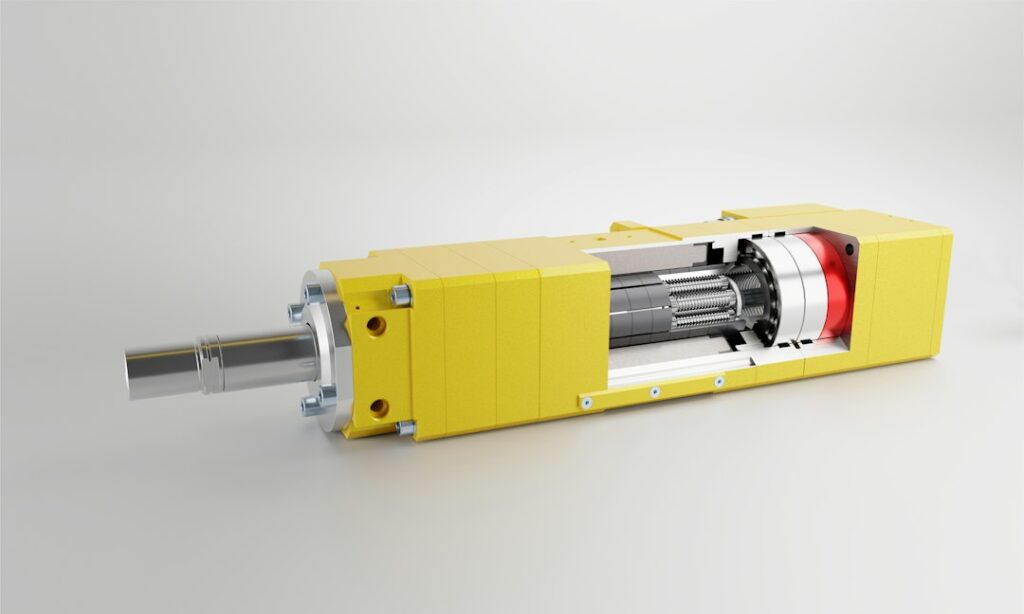
The LM…LUU-MX Series is a family of self-lubricating linear bearings that integrates a solid lubrication element — a bearing belt — directly into the bearing structure, eliminating the need for regular grease replenishment over its service life. As part of the Bearing Belt Lubrication Device product family, this series is designed for engineers who need compact, clean, and dependable linear motion in applications where relubrication access is difficult or contamination must be avoided.
Linear motion systems rarely fail because of a single dramatic event. More often, they degrade quietly: lubricant dries out, dust accumulates on the shaft, friction rises, and positioning accuracy drifts until the assembly starts producing scrap parts or unplanned downtime. For design engineers and procurement managers, the LM…LUU-MX Series addresses this failure mode at its root by embedding the lubrication function into the bearing itself rather than treating it as a maintenance task. This article explains how the series works, how to approach linear motion bearing selection, which variants suit different mounting conditions, and what to verify before specifying a maintenance-free linear bearing in your next design.
FIJ Industrial Technology Limited manufactures the LM…LUU-MX Series alongside shaft supports, slide units, and related linear motion components, supplying industrial linear motion bearings to customers across Europe, North America, and Southeast Asia. Whether you are evaluating your first self-lubricating linear bearing or standardizing on a platform for multiple machine platforms, the guidance below is intended to help you specify with confidence.
LM…LUU-MX Series at a Glance: What Engineers Need to Know First
Before diving into selection logic, here are the essential takeaways for anyone evaluating this series for a new or retrofit application:
- Self-lubricating by design: The integrated bearing belt lubrication device supplies solid lubricant continuously to the ball tracks, so the bearing operates without a grease nipple, oil port, or scheduled relubrication.
- Clean-running operation: Because no liquid lubricant is replenished, there is minimal risk of grease fling or migration — an important advantage in food-adjacent equipment, packaging lines, medical devices, and clean assembly stations.
- Compact metric sizing: The series follows standard metric linear bushing envelope dimensions, making it a drop-in consideration during linear bushing for engineers who are upgrading from conventional oil- or grease-lubricated types.
- Bearing steel construction: Raceway components are produced from high-carbon chromium bearing steel (GCr15 / SUJ2 equivalent), with ground raceways and retained ball circuits for stable, low-friction recirculation.
- Quality-backed manufacturing: Production runs under an ISO 9001 certified quality management system, with inspection focused on dimensional consistency, raceway geometry, and lubrication element integrity before shipment.
If these points align with your application constraints, the sections below will help you determine the specific variant, size, and mating components you need.
How Does the Bearing Belt Lubrication Device Work in the LM…LUU-MX Series?
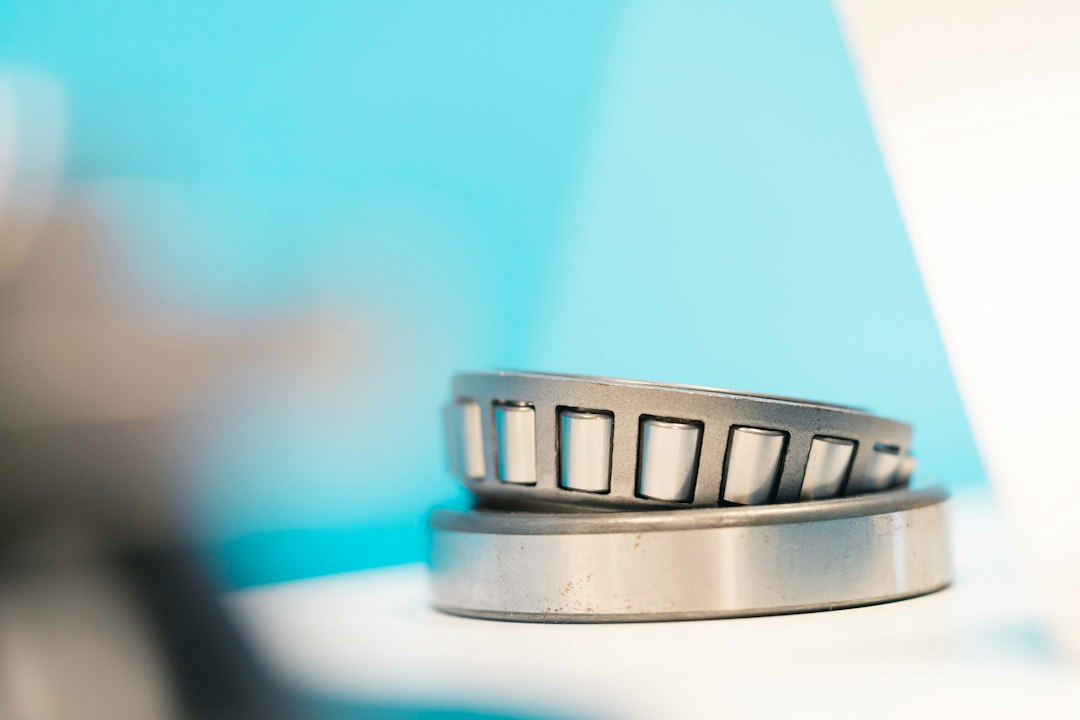
Understanding the mechanism behind the MX designation is the foundation of good linear motion bearing selection. A conventional linear bushing relies on a film of grease or oil between the recirculating steel balls and the shaft. That film must be refreshed periodically; if it is not, metal-to-metal contact accelerates wear in the raceways, increases breakaway force, and eventually causes play and vibration.
The LM…LUU-MX Series replaces this dependency with a Bearing Belt Lubrication Device: a porous solid-lubrication element integrated into the outer sleeve of the bearing. This element is impregnated with a lubricating compound and pressed against the ball tracks. As the balls recirculate during normal operation, they pick up a microscopic amount of lubricant from the belt and transfer it to the shaft surface. The mechanism is entirely passive — it requires no pump, no reservoir, and no technician with a grease gun.
Three engineering characteristics follow directly from this design:
- Consistent friction over time. Conventional bushings often show rising friction as grease ages. The self-lubricating linear bearing maintains a more uniform coefficient because the supply of lubricant is metered continuously by contact, not depleted by time between service intervals.
- Resistance to washout and dry-out. In environments where grease migrates, evaporates, or is carried away by cleaning processes, a solid lubrication element holds its compound within its structure and releases it only at the contact interface.
- Simplified machine architecture. Removing lubrication fittings and relubrication access points frees up design space, reduces part count, and eliminates a recurring maintenance line item from preventive maintenance schedules.
For procurement teams, the practical implication is that the total cost picture shifts: instead of a lower purchase price offset by lubricant, labor, and downtime costs, the LM…LUU-MX Series consolidates those functions into the component itself. Combined with dimensional compatibility to standard linear bushing footprints, this makes it a practical upgrade path on existing equipment as well as a strong default choice for new builds.
Which Variant and Size Should You Choose for Linear Motion Bearing Selection?
Linear motion bearing selection is rarely about finding the “strongest” bearing; it is about matching the bearing’s construction, mounting interface, and load-handling behavior to the real duty cycle of the machine. When working through the LM…LUU-MX Series catalogue, evaluate the following criteria in order:
1. Bore size and stroke requirements. Match the bearing bore to your shaft diameter, then verify that the bearing length and stroke accommodate the travel distance without the ball circuits running off the shaft at mid-travel. Longer bearing bodies increase the number of load-carrying ball rows, which improves moment rigidity — important for cantilevered loads or applications with offset forces.
2. Load direction and moment loading. Catalogue dynamic and static load ratings assume ideal alignment. In real machines, bearings frequently see combined radial and moment loads. If your guide arrangement uses a single bearing or widely spaced shafts, favor longer variants or paired mounting, and confirm that the resulting equivalent load stays within the rated envelope with a sensible design margin.
3. Mounting interface. The base LM-type configuration suits drop-in installation into a precisely bored housing. If your structure lacks a machined housing bore — or if you want to bolt the bearing directly to a plate — flanged variants save machining time and simplify assembly. The table in the next section compares the common options qualitatively.
4. Shaft compatibility. Even the best self-lubricating linear bearing cannot compensate for a poor shaft. Use hardened, ground shafts of the appropriate steel grade with surface hardness in the range specified for linear motion applications and a surface finish appropriate for ball contact. Soft or rough shafts will wear regardless of lubrication strategy.
5. Environment. Assess temperature range, presence of dust, washdown exposure, and chemical contact. The solid lubrication element performs well where liquid lubricants struggle, but aggressive chemicals or temperatures beyond the compound’s envelope still require review. When in doubt, describe the environment to the manufacturer before finalizing the part number.
Dimensional interchangeability with standard m
etric linear bushing outlines means the LM…LUU-MX Series can typically be evaluated against the same housings, shafts, and end supports already used with conventional LM-type products — a meaningful advantage during retrofits and platform standardization exercises.
How Do the LM…LUU-MX Variants Compare for Different Mounting Conditions?
One of the most common questions from machine builders is whether to specify the plain round type or one of the flanged configurations. The answer depends on housing design, available assembly space, and how the bearing will be fixed against axial movement. The comparison below summarizes the qualitative differences; all variants share the same self-lubricating MX core technology and metric bore sizing.
| Variant | Mounting Style | Best Suited For | Key Characteristic |
|---|---|---|---|
| LM…LUU-MX Series | Plain round body, pressed into a bored housing | Housings with precision-bored seats; compact slides and retrofit of standard LM bushings | Smallest radial envelope; highest housing-bore fit sensitivity |
| LMF(K)…UU-MX Series | Round flanged body | Direct bolt-down to plates where no bored housing exists | Flange provides axial location and easy bolted fixing |
| LMF(K)M…LUU-MX Series | Intermediate round flange | Compact bolt-down assemblies where space around the flange is limited | Reduced flange footprint with retained bolt-down convenience |
| LMF(K)…LUU-MX Series | Round flange, longer body | Longer spans, higher moment rigidity, single-bearing-per-shaft layouts | Extended ball rows improve load distribution and stiffness |
| LMHP…LUU-MX Series | Oval flange with pilot | Space-constrained designs requiring a locating pilot for repeatable positioning | Compact outline; flange pilot aids precise alignment during assembly |
For applications that need bolted installation without a machined housing, the flanged alternatives from the same product family are worth evaluating — for example, the round-flanged LMF(K)…UU-MX Series for direct plate mounting, the longer LMF(K)…LUU-MX Series where higher moment rigidity is required, or the compact LMHP…LUU-MX Series with its piloted oval flange for tight envelopes. The intermediate-flange LMF(K)M…LUU-MX Series suits designs where flange space is at a premium.
Whichever variant you choose, maintain the alignment discipline that all recirculating ball linear guides demand: parallel shafts, square housings, and no forced assembly. The self-lubrication feature removes the maintenance burden, but it does not remove the installation burden. Proper alignment protects the raceways, keeps friction low, and allows the lubrication belt to do its job over the full intended service life.
Frequently Asked Questions
Q: How do I select the right size LM…LUU-MX Series bearing for my application?
A: Start with the shaft diameter and required stroke, then evaluate the actual load — including moments — against the catalogue dynamic and static ratings for each bore size. Longer bearing bodies carry more ball rows and handle moment loads better. If the load path is offset from the shaft, choose a longer variant or a flanged type with greater support spacing rather than undersizing the bore. Confirm housing bore tolerance and shaft hardness and surface finish before releasing the drawing.
Q: Is the LM…LUU-MX Series compatible with standard shafts and housings?
A: Yes. The series follows standard metric linear bushing envelope dimensions, so it can be paired with conventional precision linear shafts and standard LM-type housings, shaft supports, and slide units. Use hardened, ground shafts with surface hardness and finish appropriate for recirculating ball contact; soft or rough shafts will compromise any linear bearing regardless of lubrication type.
Q: What maintenance do maintenance-free linear bearings actually require?
A: The self-lubricating design eliminates scheduled relubrication, but routine inspection remains good practice. Periodically check for shaft wear, contamination buildup, abnormal noise or play, and secure seating in the housing. Keep the exposed shaft surface clean, since abrasive particles carried into the raceways can damage both balls and shaft. In severe environments, wiping the shaft during normal equipment cleaning is typically sufficient.
Q: What standards and quality systems apply to the LM…LUU-MX Series?
A: Dimensional design follows common metric linear bushing conventions consistent with ISO and GB linear motion standards, and raceways are produced from high-carbon chromium bearing steel (GCr15 / SUJ2 equivalent) with precision grinding. Manufacturing is governed by an ISO 9001 certified quality management system covering incoming material verification, in-process dimensional inspection, and final audit before packing and export.
Selecting the right self-lubricating linear bearing ultimately comes down to matching the variant, size, and mounting style to your real operating conditions — and that detail level is best resolved with model-specific documentation in hand. For dynamic and static load ratings, dimensional drawings, tolerance classes, and material specifications of individual sizes, request the technical datasheet for the specific models you are evaluating. FIJ Industrial Technology Limited, based in Tianjin, China, with more than 15 years of linear bearing manufacturing and export experience, can provide the documentation and application guidance you need to finalize your linear motion bearing selection with confidence.
Recent News
- LMBF…L/LMBK…L Series Pressing Bush Bearings: Engineering Selection and Maintenance Guide
- LM…LUU-MX Series: Linear Bearings for Maintenance-Free Automation
- LMSH…L Series: Compact Linear Bearing Guidance for Short-Stroke and Medium-Duty Motion
- LMEF(K)M…LGA Steel Cage Series: Engineering Guide for High-Load Linear Motion Applications
- Elliptical Flange Type: A Design Engineer’s Guide to This Guide Shaft Support Solution
- LMH…LUU-MX Series: Self-Lubricating Oval-Flanged Linear Bearings for Continuous-Duty Industrial Motion
- Super Linear Bearing Engineering Guide: Selection, Load Capacity and Maintenance
- Guide Shaft Support: Selection, Mounting, and Maintenance for Precision Linear Motion Systems